Instrumental music at CCCS
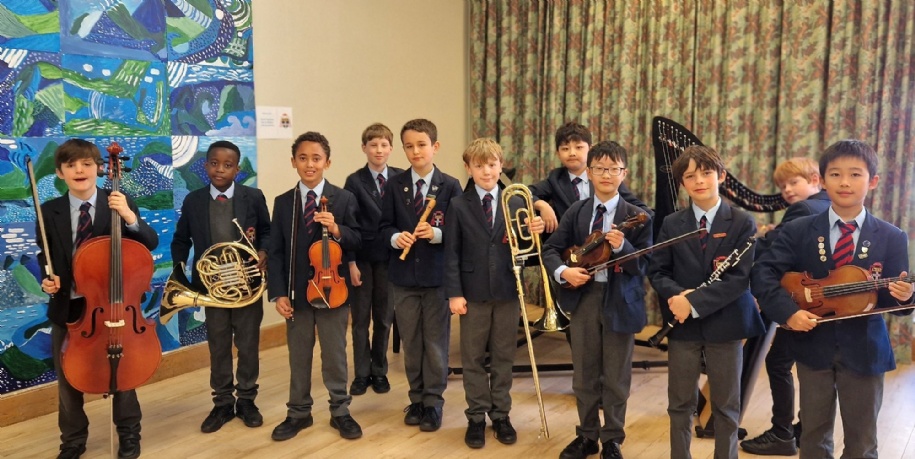
Why do children learn musical instruments? At CCCS this is our most popular extra-curricular activity, with the majority of pupils learning at least one instrument and 50% learning two or more. Mastering an instrument is a complex activity that draws on a unique set of skills, including literacy, memory, rhythm, posture, listening and spatial awareness, and it confers long-lasting cognitive advantages. Data suggests that these benefits continue long into adulthood, with disorders like Alzheimer’s and dementia less likely to occur in a person who has learned to play music.
Musicians are rightly wary of using non-musical evidence to justify their craft, but it is worth acknowledging these benefits before moving on to the main rationale…. enjoyment! Instrumental music offers a new way to communicate with others, the release of being able to explore different emotional states, the connection experienced in ensembles, and the satisfaction of technical mastery achieved through diligence. By practising ‘little and often’ just 10 minutes a day at the beginning – children feel tangible improvements that unlock the learning process in a unique way.
At CCCS we have a team of skilled peripatetic staff who guide pupils on their instrumental journeys, whether this might be playing for pleasure, tackling grade examinations, or working at the most competitive levels. Lessons are offered on the full range of string, woodwind, brass and keyboard instruments, with an astonishing half of the school choosing to play the piano. Equally we are always keen to encourage ‘rare’ instruments like the bassoon, oboe, harp, viola and horn, as these are always demanded at senior schools and can create excellent pathways towards scholarships.
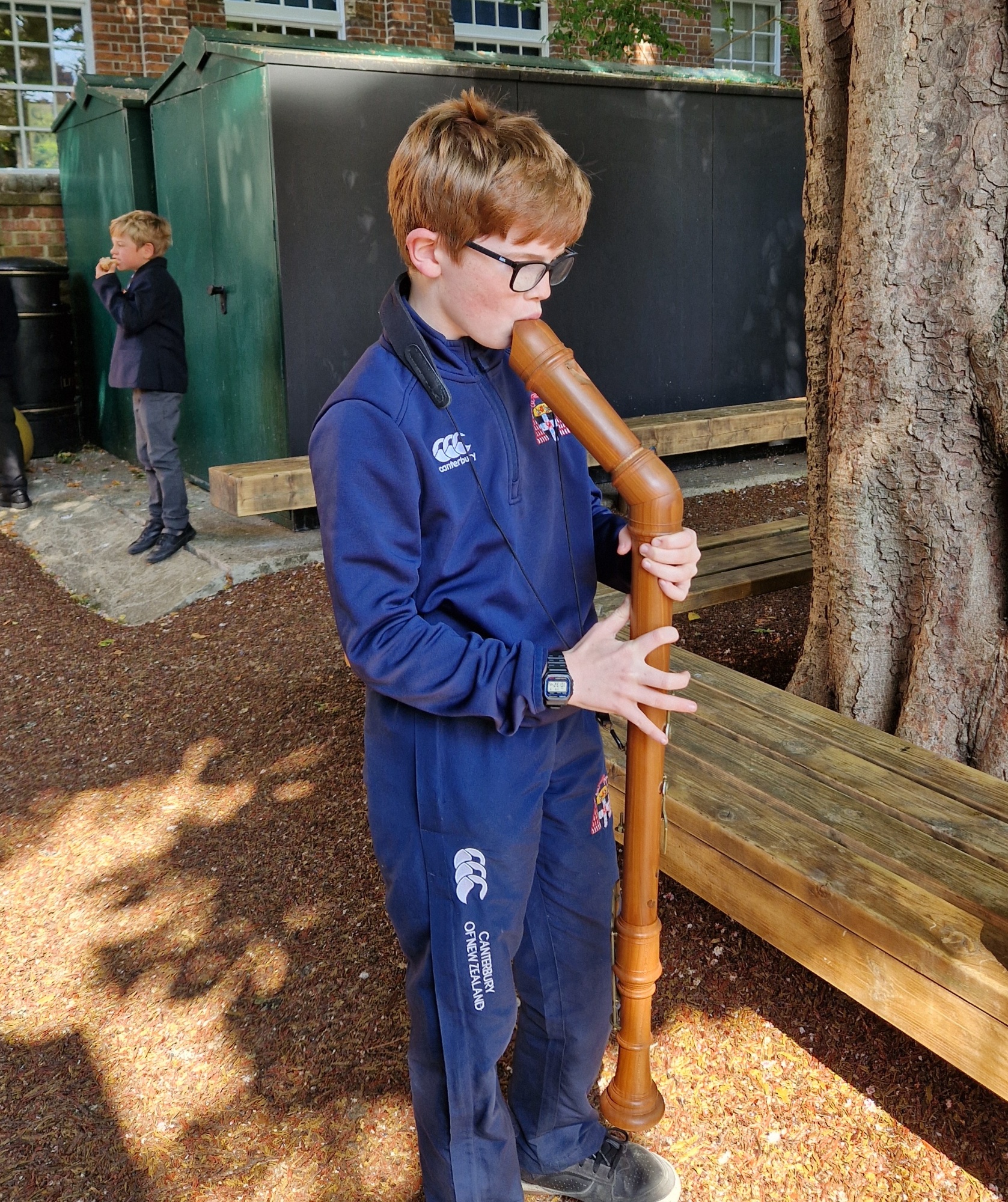
Pupils participate in a rich ensemble programme (ranging from an advanced String Quartet to a Pre-Prep Recorder Club and a Jazz Band), popular termly exam sessions, and solo performance opportunities at every level. Our instrumentalists play in the Cathedral each Friday and at large events like Prizegiving, but at the heart of the department are our regular Class Concerts which take place during Music lessons. These are completely voluntary, offering the chance for boys to share whatever they choose of their current repertoire. Just yesterday I heard pre-Grade 1 pieces receiving just as much praise and support from classmates as advanced repertoire by Bach and Debussy. This approach ensures that pupils of every standard can showcase their talents and develop confidence.
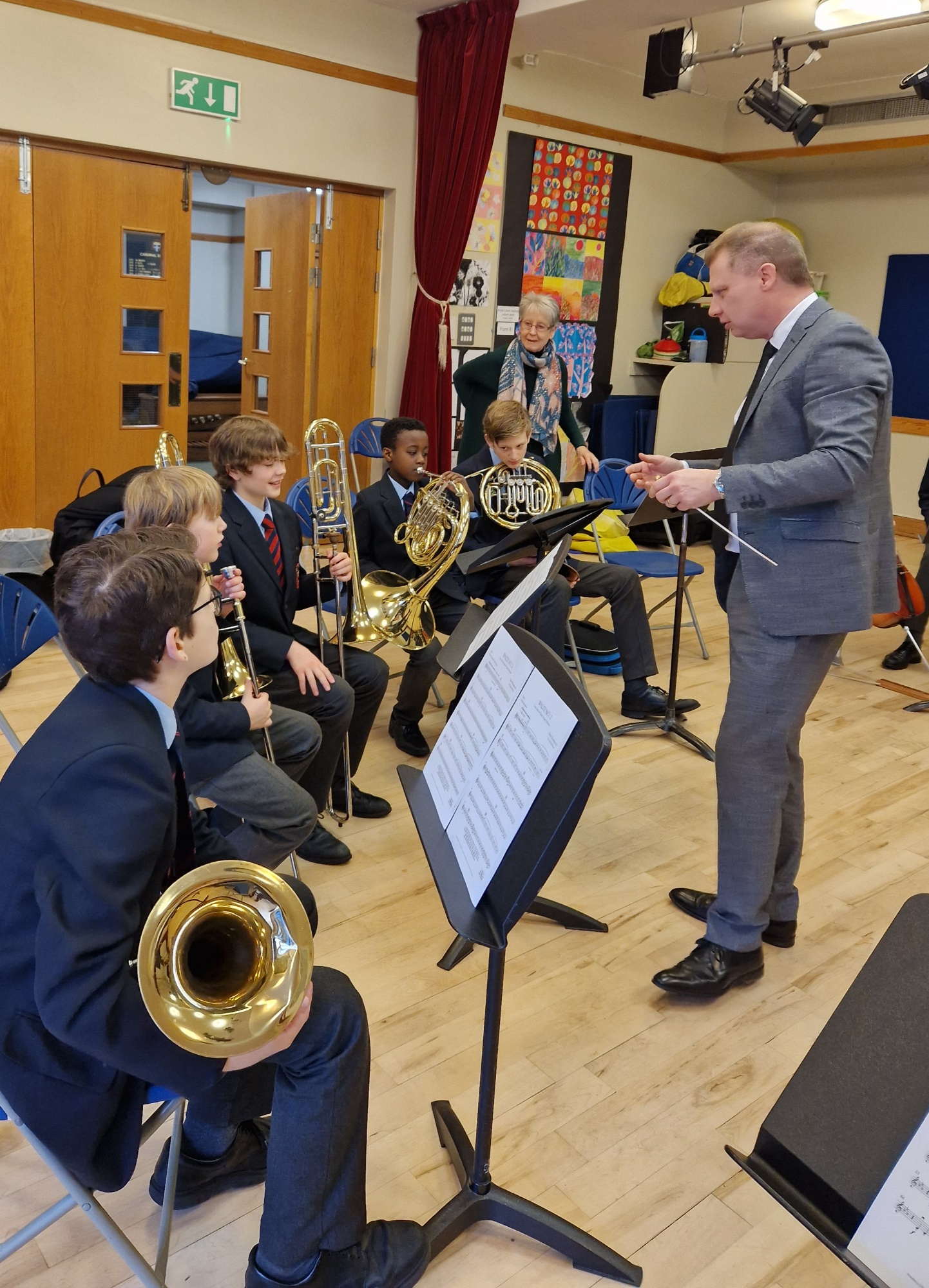
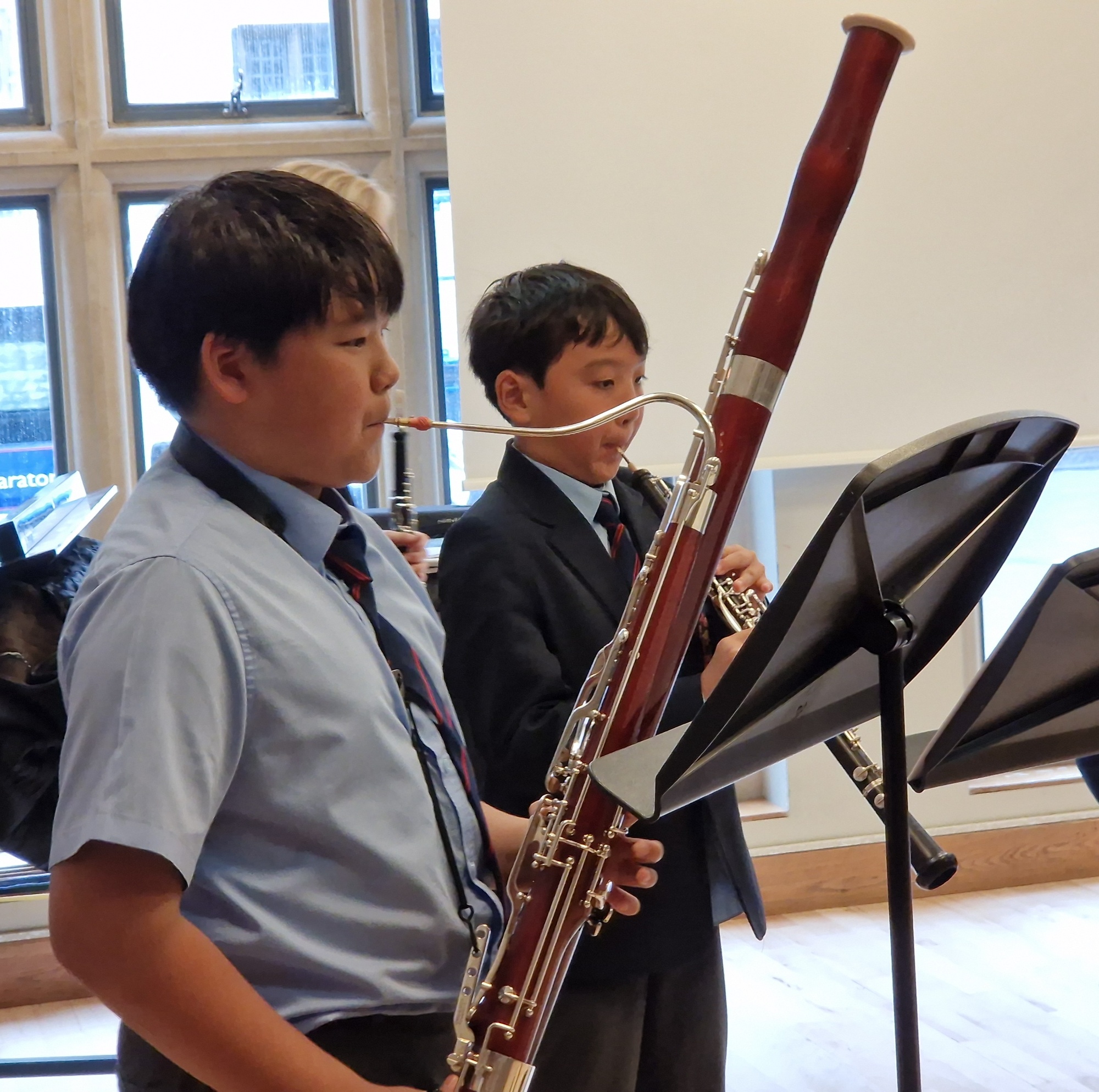
The best litmus test for instrumental music at CCCS is, of course, our House Music Competition. This year’s final will take place on 15th May, but the month leading up to it is where the real drama lies. Boys win points for their houses by auditioning, but – with a point for each instrument, not each piece – the structure is calibrated to incentivise co-operation and value every level of ability. Pupils spend breaks teaching friends to play simple pieces on new instruments, meaning that we suddenly find ‘Hot Cross Buns’ and ‘Three Blind Mice’ echoing from every corner. There is nothing that helps a horn player understand his instrument better than teaching a beginner how to make the correct embouchure!
This is truly the best time of year for all our instrumentalists, and I rejoice in their enthusiasm to play as much, and in as many places, as they can. If you would like to discuss finding the right instrument for your child please do get in touch, and I hope that very many of you will be able to join us in person or online at this year’s House Music. It should be a spectacular event!
Ms Sophie Biddell
Director of Music