Relationships, Sex and Health Education
Relationships, Sex and Health Education (RSHE) is one of the most important parts of the Personal, Social and Health Education (PSHE) curriculum. It is, in fact, the only part of the curriculum where the government has given clear guidelines for all schools, including independent schools, to follow. As you know, we have recently had a consultation on our new RSHE Policy, which has now been finalised and which you can read on the policies page of our website. Your child’s teacher will be teaching the main part of RSHE this half term.
Children and young people need knowledge and skills that will enable them to make informed and ethical decisions about their wellbeing, health and relationships throughout their lives. The purpose of RSHE is to help prepare pupils for the opportunities and responsibilities of adult life, as well as to help them navigate their relationships today. We are aiming to cultivate positive characteristics including resilience, self-worth, self-respect, honesty, integrity, courage, kindness and trustworthiness. We are also keen to help young people understand and identify when things are not as they should be, and what to do.
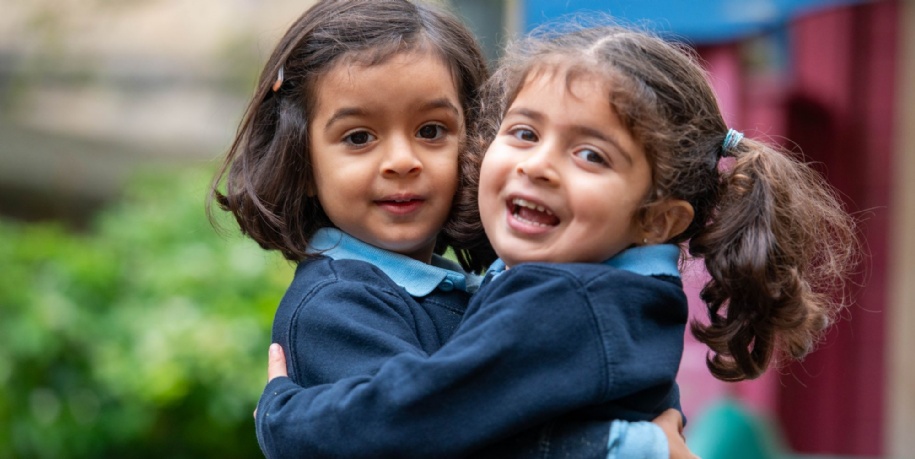
In the Pre-Prep, RSHE is mostly about relationships, both in the family and with friends. They learn what a positive relationship feels like and what sort of behaviour (from themselves and others) promotes good relationships. They are also taught about their bodies: they are taught the scientifically correct names for body parts, including private parts, in order to help them keep themselves safe and so that they can ask for help if they need it.
In Forms 3 and 4, the emphasis is on navigating friendships, including how to manage if your friend wants something different from you and how to explain your point of view respectfully. They are also taught about the way in which people can influence us both positively and negatively.
Higher up the school, we continue to spend plenty of time talking about positive relationships, but the emphasis of RSHE changes to thinking more about our bodies. Boys in Form 5 learn about male and female puberty. This continues in Form 6 with an added emphasis on how puberty can affect their emotions. Form 6 is also when the boys are taught how sexual reproduction works in humans.
RSHE in Forms 7 and 8 is about preparing them to navigate relationships, including sexual relationships, as they get older. They learn about body image, self-care and contraception, as well as spending time thinking about respectful and positive romantic relationships. Throughout, we ensure that they understand the importance of consent. The idea is that it is important for young people to learn about positive relationships, including physical ones, before they need the knowledge and before they are exposed to other, possibly more negative, influences.
PSHE, including RSHE, at our school is taught by the Form teachers because they are the ones who know the children best. If you would like to know in more detail what your child will be learning, please get in touch with them. The government’s rules about parents requesting for pupils to be withdrawn from sex education have changed. You still have the right to request that your child is withdrawn from the specific sex education part of RSHE (which starts in Form 6), but before we can agree we need to arrange for you to come into school and view the materials the class will be using. We hope that this will reassure you that your child will benefit from the lessons, but after you have seen and discussed the resources, parents of boys in Forms 6-8 can ask for their sons to be excused from those lessons.
Of course, any parent is welcome to contact me or their child’s Form teacher to discuss any aspect of their learning, including RSHE.
Mrs Anna Fairhurst
Deputy Head - Academic