Teaching and Learning in the EYFS
The Early Years Foundation Stage (EYFS) is the framework that we follow at CCCS in both our Nursery and Reception classes. It is used in England to set the standards for the learning, development, and care of children from birth to five years old, and applies to all Early Years settings, including nurseries, pre-schools, childminders, and Reception classes in schools.
The framework explains what children should be learning, how they learn best, and how adults should support them. It focuses on helping every child to develop at their own pace while building confidence, curiosity, and a love of learning. The curriculum is broken into seven areas of learning which, in turn, are broken into Prime Areas and Specific Areas.
Prime Areas:
- Communication and Language: Developing spoken language, listening, and understanding.
- Physical Development: Gross (large movements like climbing) and fine (small movements like writing) motor skills.
- Personal, Social and Emotional Development (PSED): Managing feelings, self-regulation, and building relationships.
Specific:
- Literacy: Reading, writing, and comprehension.
- Mathematics: Counting, shapes, and numerical patterns.
- Understanding the World: Exploring people, communities, the world, and technology.
- Expressive Arts and Design: Creating and using media, music, dance, and role-play.
At Christ Church Cathedral School, we believe the best way to deliver this framework is through creative practice. The EYFS is central to supporting young children’s holistic development, and we believe creativity underpins how children explore, communicate, and make sense of the world. For children under the age of five, creative experiences foster curiosity, confidence, and a lifelong love of learning, while supporting key areas such as communication and language, physical development, and personal, social, and emotional development.
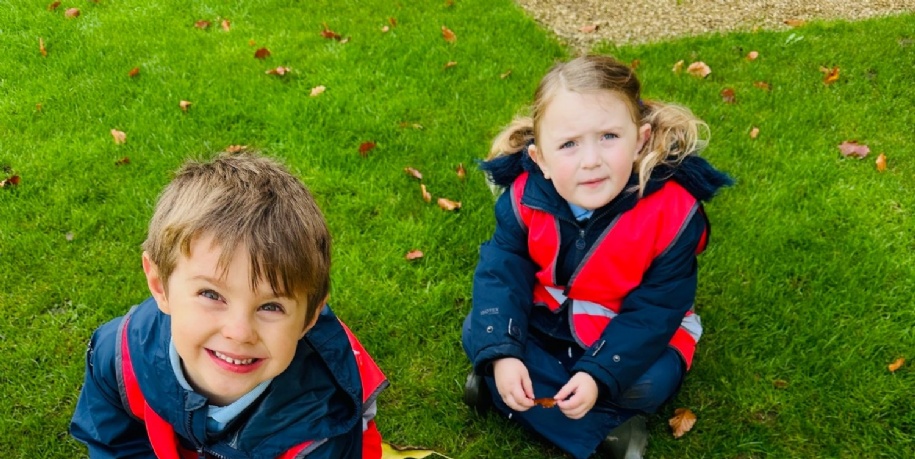
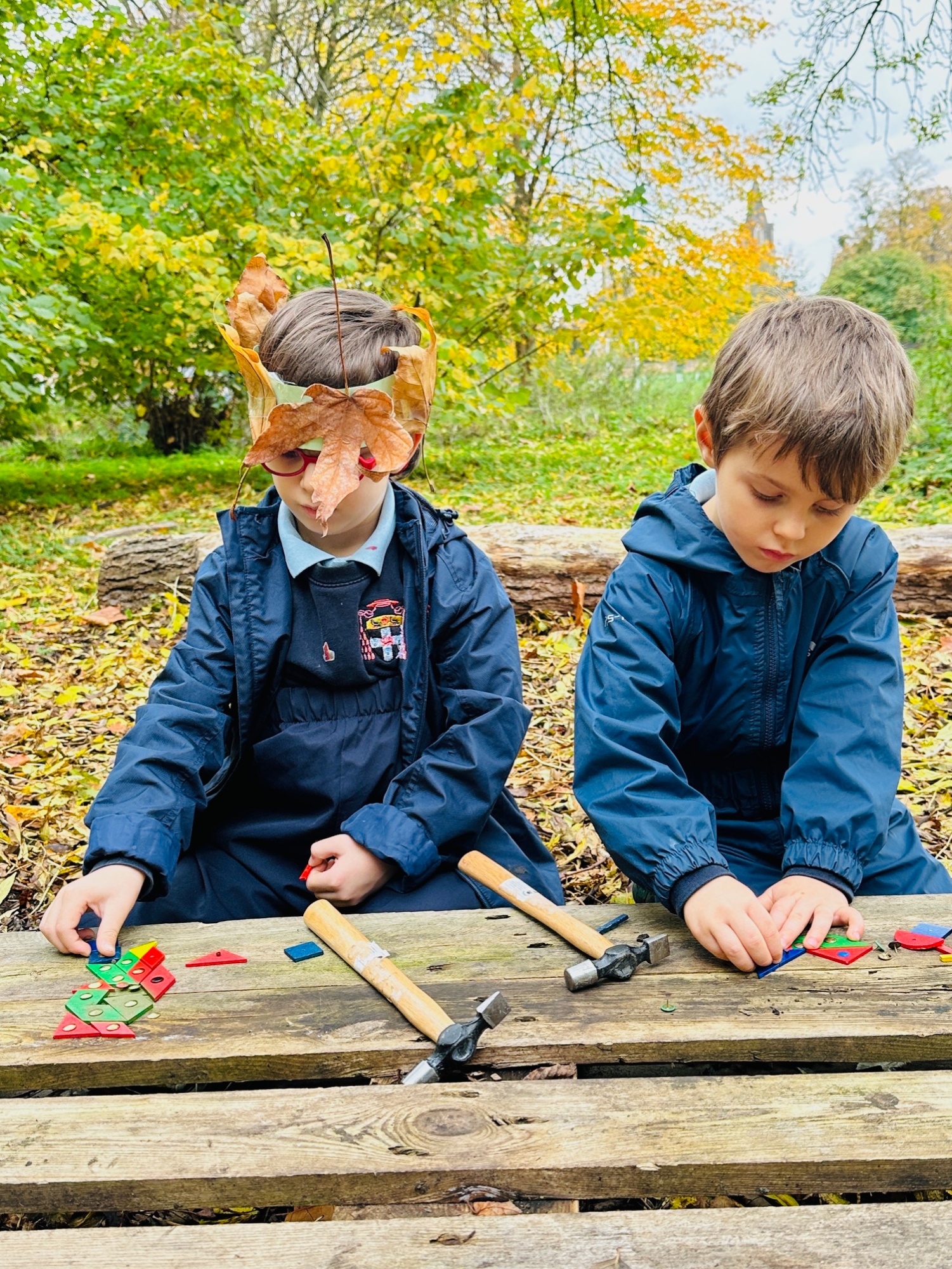
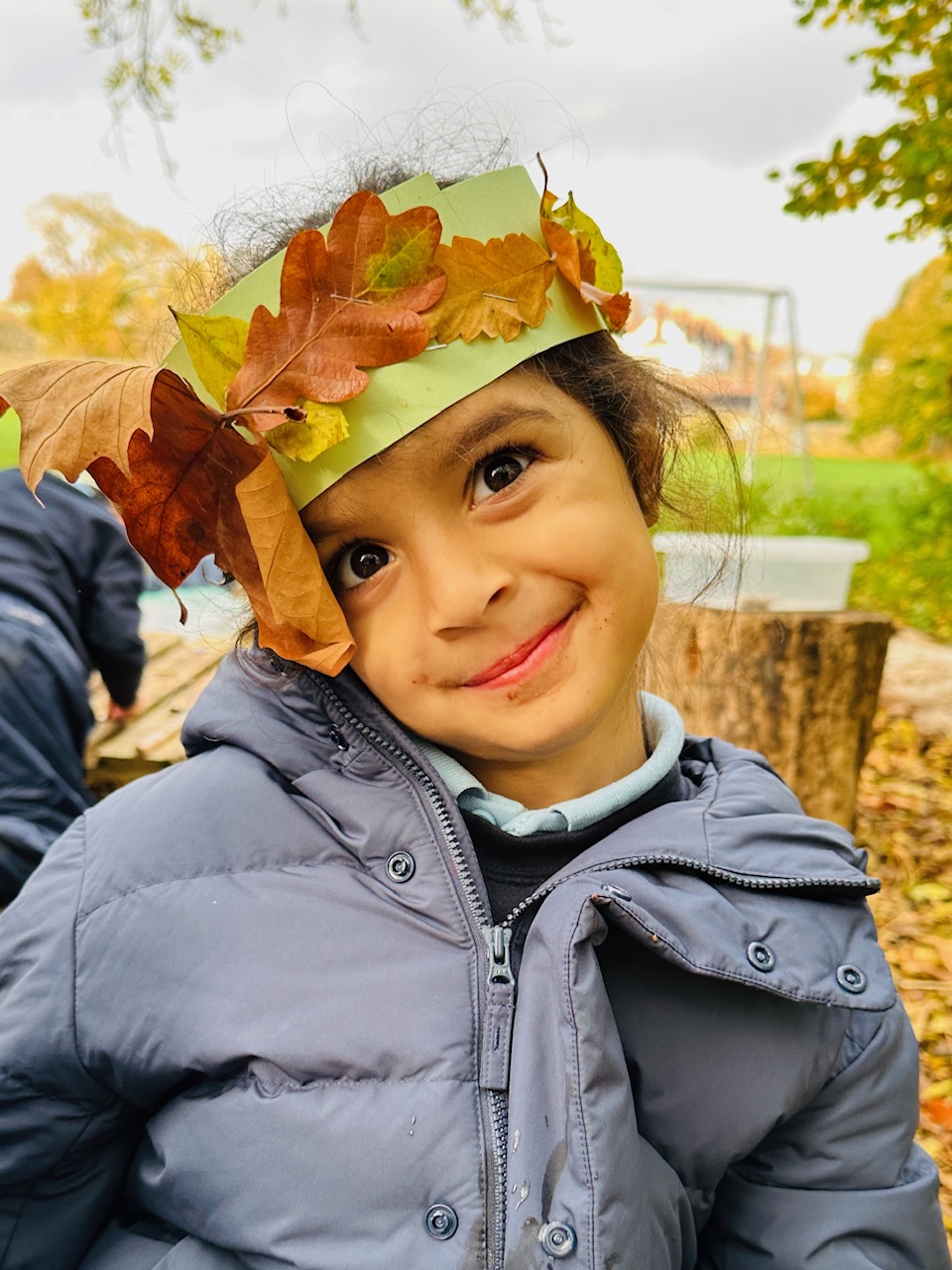
One important approach to creative practice within EYFS is Woodland or Forest School provision. We are very fortunate at Christ Church to have access to Merton Field Woods and over the next six months we plan to develop this further with Early Years’ children in mind. Woodland School offers children regular opportunities to learn outdoors in natural environments, encouraging imaginative play, problem-solving, and independence. Through activities such as den building, storytelling around natural materials, mud play, and observing wildlife, children engage their senses and develop creativity in an open-ended way. These experiences allow children to take managed risks, collaborate with peers, and express ideas freely.

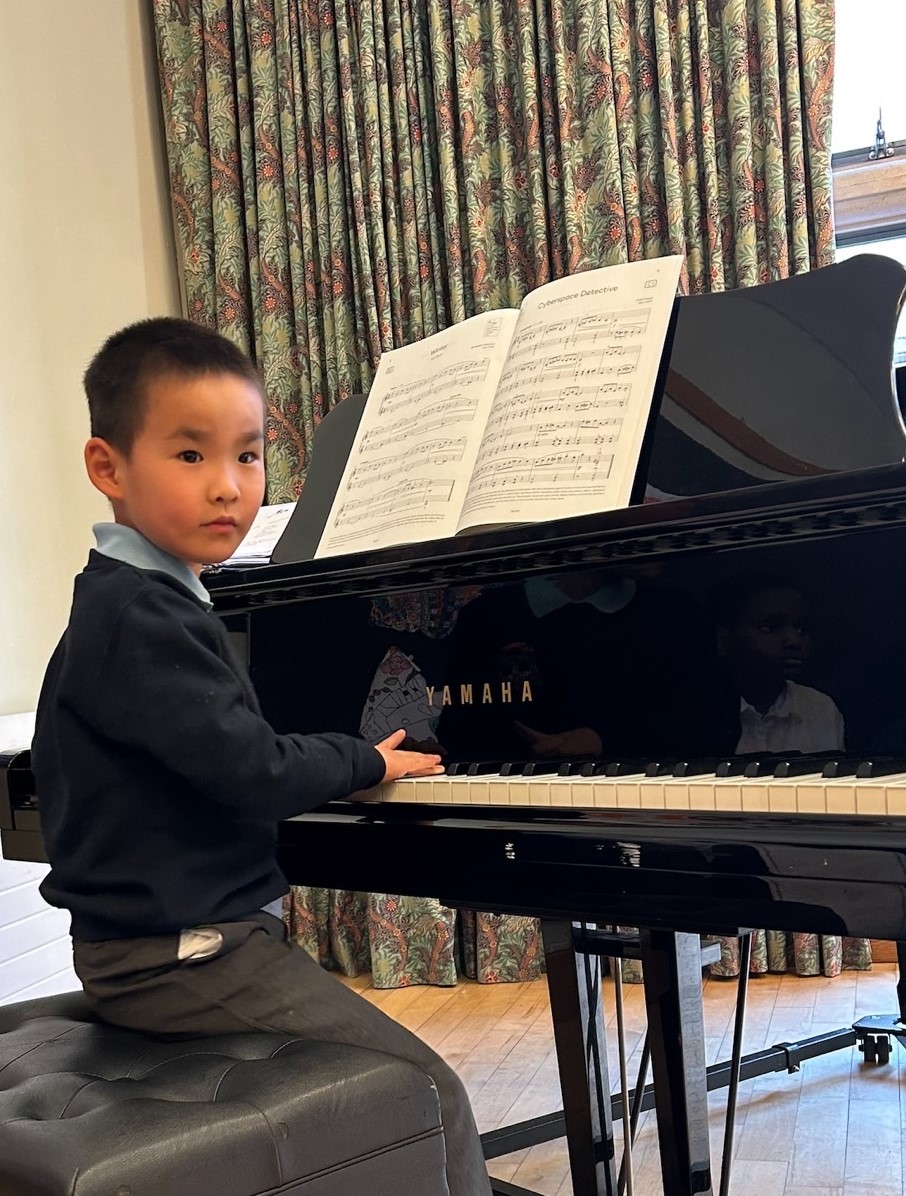
Art and music are particularly vital in early childhood, as they provide young children with powerful ways to communicate thoughts and emotions before they have fully developed language skills. Music plays a significant role at CCCS, and from the outset of their time with us, we immerse and encourage children to develop a passion and appreciation for creating music.
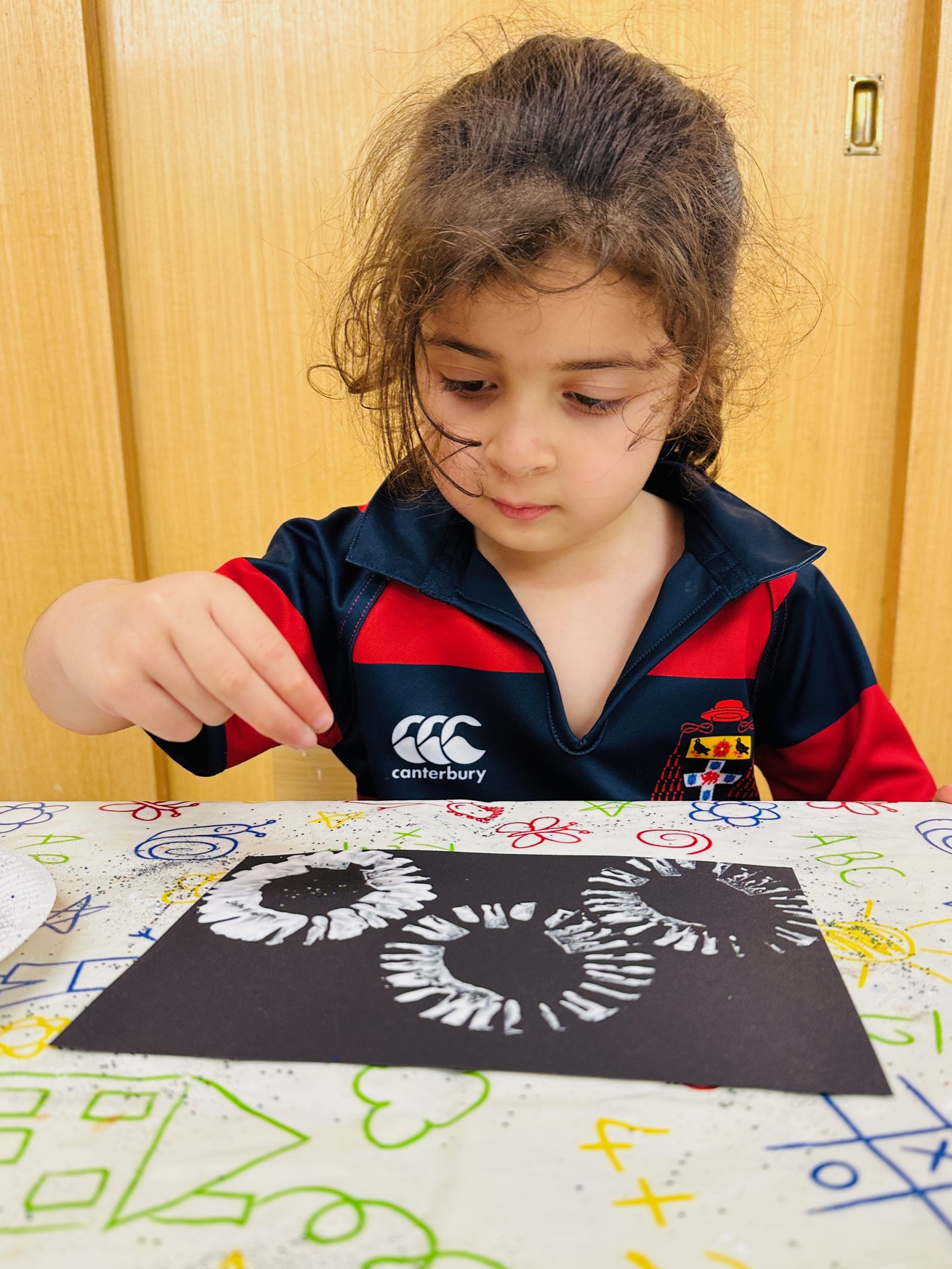
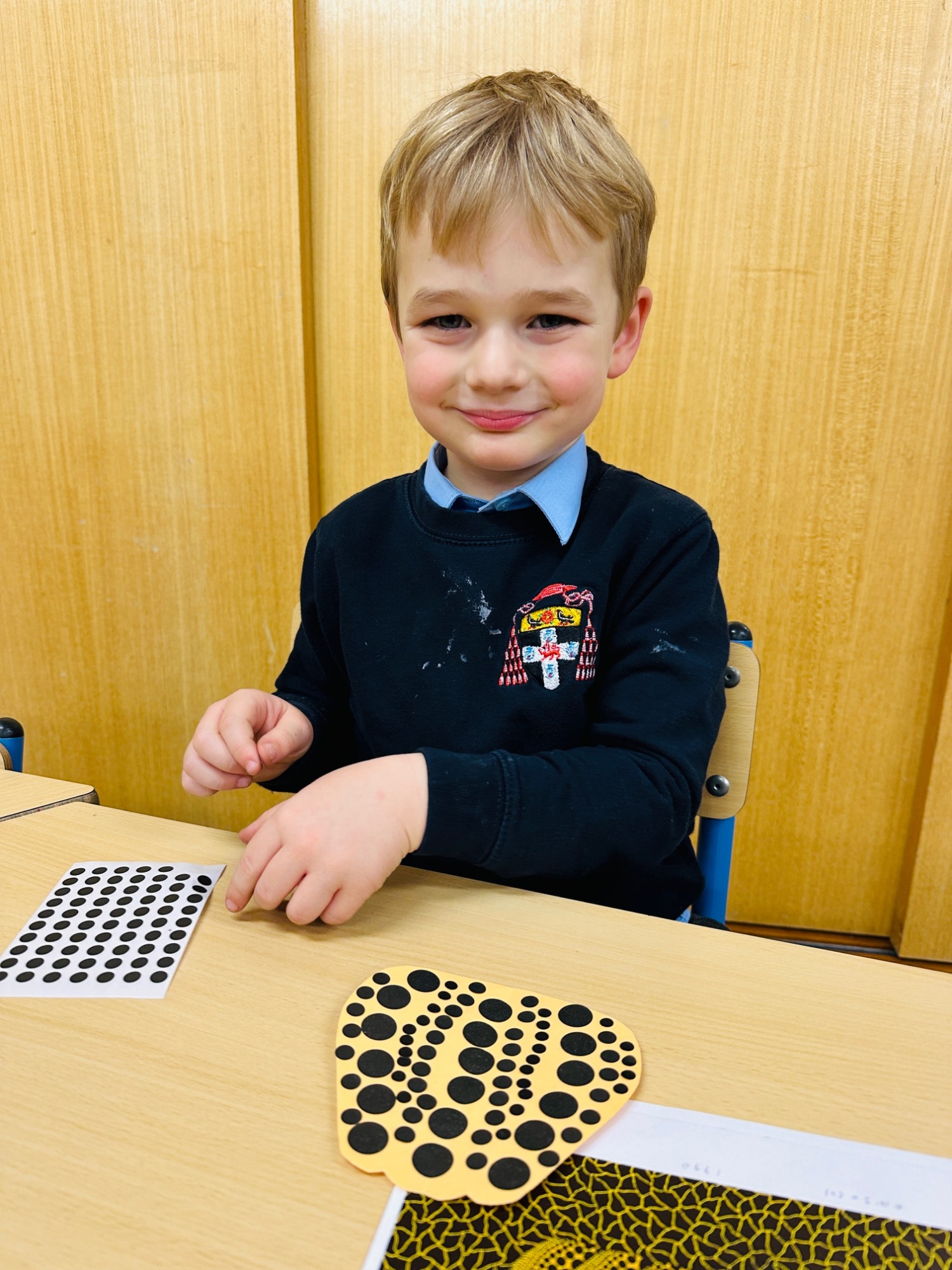
Art activities such as painting, drawing, collage, and sculpture, support fine motor development, creativity, and self-expression. Process-focused art, where the emphasis is on exploration rather than the final product, allows children to experiment with materials, textures, and colours without fear of getting things “wrong. ” This builds confidence and encourages creative thinking.
Creative practice in the EYFS is essential for nurturing well-rounded, confident learners. By combining approaches such as Woodland School and rich experiences in art, storytelling, and music, we aim to create an inclusive, engaging environment that supports children’s development and creativity during the crucial early years of their educational journey.
Mr Berry
Early Years Lead and Reception Teacher