Curriculum and Learning at CCCS
In this article I am hoping to explain a little about how we plan for pupils’ learning across the different subject areas and age groups at CCCS. This is the first of a series of articles designed to explain what we do and why, which we will be writing over the next couple of terms.
Of course, we are an Independent school. This means so much more than just not being state-funded: it gives us the freedom to do things differently. There is a great deal of excellent practice in the National Curriculum, so we use that as our starting point, but our aim is to go further and deeper. We have a few advantages which enable us to do this: we are a small school with small class sizes; we do not have children with very significant difficulties in learning; and, of course, we have more resources.
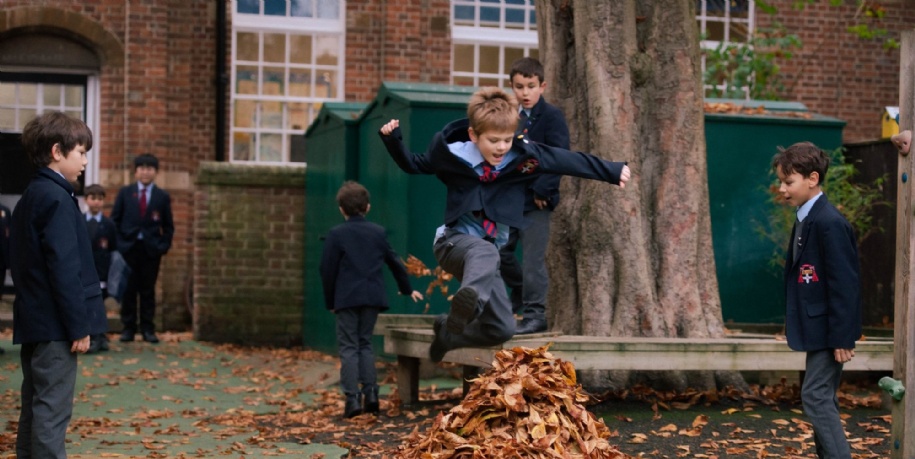
Some of the first things people notice about our school are the small class sizes and the large number of specialist teachers. Class sizes start small and tend to grow as they move up the school, but not to more than about 20 pupils... and for the subjects where class size matters most, we divide groups even further. From Year 5, boys are taught in half-size classes for English, Maths, Art and Design Technology. Latin and French are included in this from Year 7. Therefore, and very unusually even in the Independent sector, CCCS pupils are rarely taught these subjects in groups much larger than 10. This means that teachers are able to tailor the learning to individual pupils and to provide support or stretching quickly when they are needed. Because of this (and that from Year 5 we have specialist teachers who understand the full journey into senior school), our pupils make rapid progress in English and in Maths.
The principal role of a primary school is to make sure pupils learn English and Maths well. Mainstream state primary schools do this by giving about two-thirds of the school day to these subjects, and it works – but there are usually only about nine hours per week left for the other eleven subjects. Combine this with the fact that almost all the teachers efforts go into these two main subjects (and that no teacher is an expert in thirteen subjects) – and the rest of a child’s learning can end up (through no fault of the teacher’s) being thin and uninspiring.
At CCCS, we are able to be different.
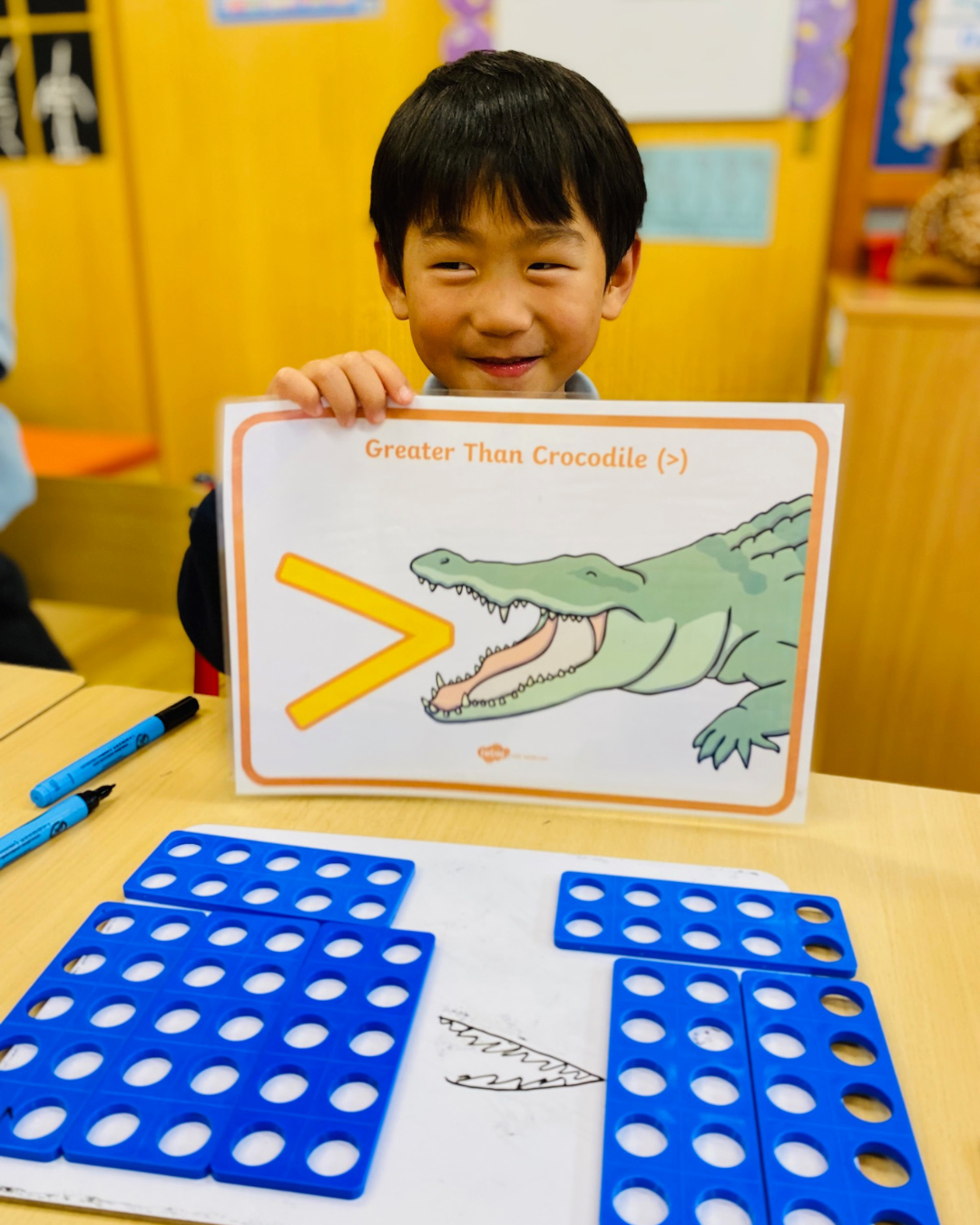
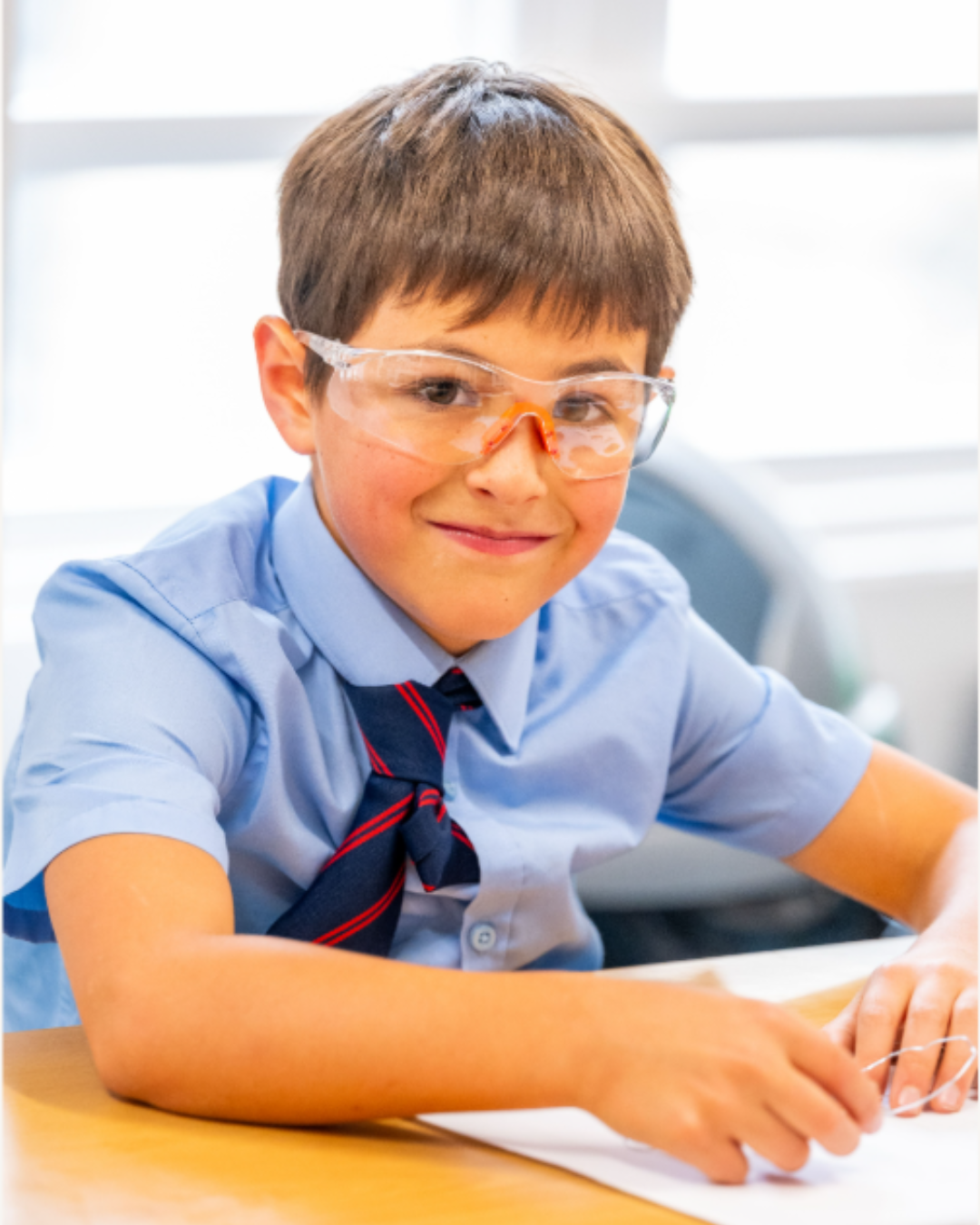
Our pupils learn English and Maths so well that we can have more time for everything else. The subjects which a generalist teacher might struggle to teach well are taught by specialists, who have both a deep knowledge of and a passion for what they are teaching. Even our Reception children have specialist lessons in Music, Art, French and Physical Education. The number of subjects taught by specialists increases as children become more independent, until all subjects are specialist-taught from Year 5. It is in these areas that the CCCS difference is most apparent: our Year 3s use real tools in woodwork; our Year 5s use Bunsen burners in Science; and our Year 7s can write a full-page letter to a French child and program a game in Python. Our Year 8s leave us as confident, knowledgeable young men who are well ahead of their peers in most subjects – and this is before I even mention Music. Most of our pupils take advantage of the world-class Music tuition we have on offer here, either as a chorister or by learning an instrument (or two, or three…). It is easy for those of us who have been at CCCS for a while to forget how unusual it is to reach Grade 8 by the age of thirteen, or to sing to an audience of over 1000 for a Christmas service.
Our teachers have the interest and the knowledge to teach for depth, breadth and excitement. We give them the freedom to go beyond the National Curriculum and to plan a curriculum to suit the pupils we have at CCCS. We know that if the pupils and the teachers are excited, and are not limited by things beyond their control, there is no end to what they can achieve. Over the next few weeks, my colleagues and I will write about what we do (and why) in more detail. I would be very interested to hear your thoughts.
Anna Fairhurst
Deputy Head (Academic)